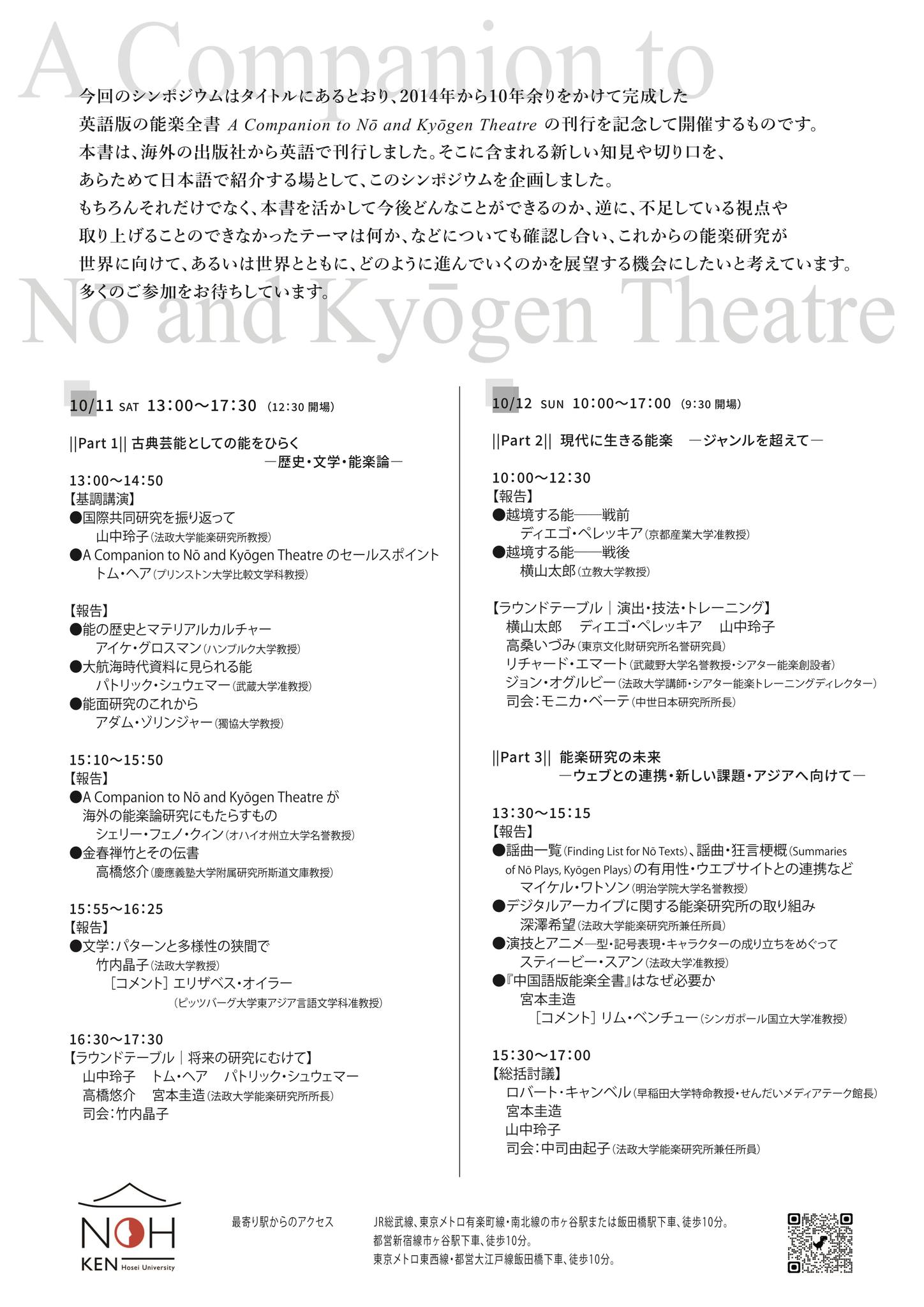
Exciting news! We will be celebrating the publication of A Companion to Nō and Kyōgen Theatre with a symposium to be held at Hōsei University on October 11-12 2025.
Nō and kyōgen theatre are among the longest continuously staged dramatic forms in the world and are deeply connected to Japanese arts, culture, society, and history. This richly illustrated two-volume set brings together the important elements of these traditions to offer new insights, with contributions by Japanese and non-Japanese experts from a broad range of disciplines. It represents the most ambitious and exhaustive exploration of nō and kyōgen to date, and is an invaluable resource for both scholars and enthusiasts.
As one of the main editors, I will contribute with a talk (online!) in the session “Nō in the Present Age,” where I will present alongside Yokoyama Tarō and will take part in the roundable on discussion that follows.
Many illustrious scholars, editors, authors, and special guests will also be participating, making this an exceptional occasion to reflect on the significance of nō and kyōgen today.
Both the book and the symposium are the fruit of the vision and leadership of Yamanaka Reiko, who has worked tirelessly to build bridges between nō and the world, and between Japanese and international scholars. This gathering is a true step forward in the internationalization of nō.
I very much hope you can join us.
お知らせです!このたび『A Companion to Nō and Kyōgen Theatre』の出版を記念して、シンポジウムが開催されます(2025年10月11日〜12日)。私は編者の一人として、オンラインで参加し、「現代に生きる能楽」のセッションにて横山太郎さんとともに発表し、ラウンドテーブル・ディスカッションにも加わります。
On August 25, 2024, I performed the nō Funa Benkei at the Kongō Nō Theatre in Kyoto. This was my second time performing a full nō play—the first was Kiyotsune back in 2013—and my first time since obtaining the shihan (instructor) license. I have been encouraged to share some thoughts about this experience.
First, I spent a year preparing for this performance, working step by step, block by block, following the regular practice schedule which, in my case, means two practice sessions with my teacher, Udaka Tatsushige, per month. Although numerous amateurs have short classes, I am lucky enough to train for up to two hours per session. In addition to this there is individual practice, which may take place anywhere, in the car (I chant a lot when I drive), at home, but also borrowing our practice space, or even renting a full theatre hall (as I did in Otsu, near Miidera). These individual sessions increased as the performance date approached. I started with the chant, then moved on to the dances, and finally incorporated the dialogue. This gradual process was very helpful, giving me peace of mind as the performance day approached. By the time I was ready to perform, I didn’t feel overwhelmed or stressed. Instead, I had the space to enjoy the experience.
On the day of the performance, as I watched the others prepare backstage, I felt a deep sense of gratitude for the opportunity to share this moment with them. Even though I did not speak much (the shite is not supposed to be verbal before going on stage), I could feel the energy from everyone around me, especially from my teacher and his younger brother. Seeing them, the direct heirs of my previous teacher, reminded me of the continuity of this tradition, and I felt honored to be a part of it.
A particularly powerful moment was when I stood before the mirror, about to put on the mask. The mask symbolizes so much—the character, the history, the ethos of nō itself. Knowing that the masks I used were carved by my previous teacher, Udaka Michishige, and his daughter made it even more meaningful. As I placed the mask on my face, I had to hold back tears, overwhelmed by the weight of tradition, that is, the personal connection to those who came before me.
During the performance, I had little time to think. My focus was on avoiding mistakes, maintaining my composure, and creating the right shape. For an amateur like me, this alone is a great feat. I concentrated on my breathing, ensuring I had enough breath for my lines, and I listened closely to the other performers and musicians, responding to them as best I could. I felt the power of the other performers, and sensed how they were all deeply engaged in the performance. Their energy fueled me, which made me realize just how vital this collective effort is in creating something truly special. This sense of collaboration is what makes theater such a unique art form. Nō takes this to the extreme, reducing the number of performances just to one single event.
As I stood on stage, I recognized many familiar faces in the audience, which greatly motivated me to do my best. After all, nō is performed for an audience, and knowing that their gaze was on me put me in a good place, even though I felt humbled and somewhat worried, knowing that many important guests were present. I am fortunate enough to collaborate with top scholars of nō theatre, both in Japan and internationally. Performing in front of them was daunting, to say the least. Having the waka sōke, Kongō Tatsunori(the son of the iemoto) as the chorus leader, along with many other respected professionals from the nō arts participating in the performance, made me feel like the one out of place on that stage. However, after many years of practice, I’ve learned to overcome that shyness and accept that I can show them who I am without worrying too much about perfection.
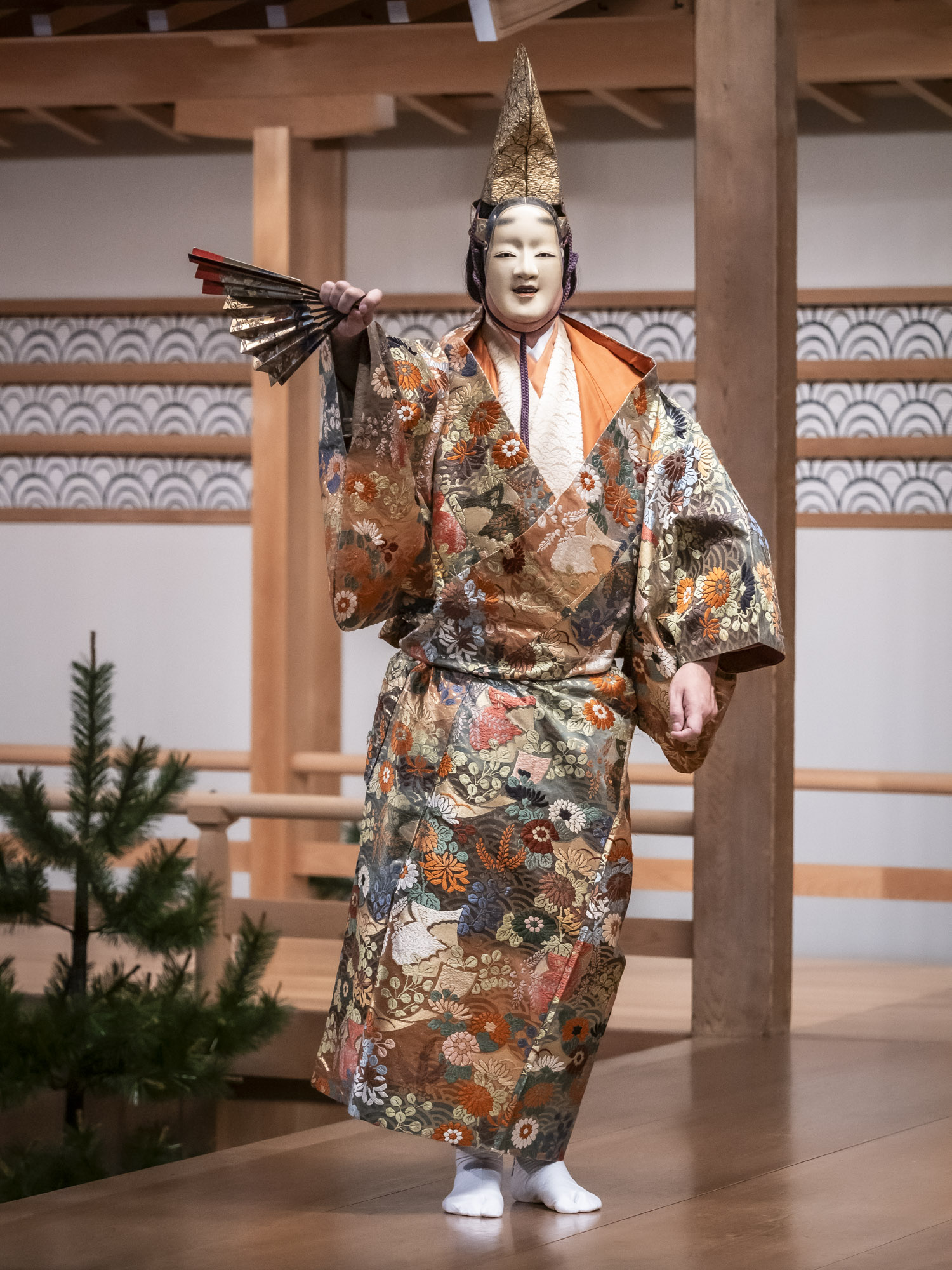
Several people told me they thought the first half (Shizuka Gozen) was particularly good, and I have to agree—I enjoyed that part very much. Both halves of the performance had their own difficulties. Dancing in kinagashi, especially for someone with long legs like mine, is not easy. The costume restricts movement to tiny steps, making it challenging to maintain balance. The second half requires skills that take a longer time to hone. Performing powerful yet clean kata, knowing when to speed up and when to slow down, demands much experience, particularly when wearing a mask and costume. The added difficulty of handling the naginata in this play was something I was concerned about. I worried that I might accidentally strike the musicians with the blade, especially during jumps. Long arms can indeed be dangerous! The mask further complicates things by limiting stereoscopic vision, making it difficult to judge depth—crucial for ensuring the safety of the other cast members. This kind of awareness and control can only be developed through experience on stage with a full cast.
What struck me this time was the contrast between the solitude of preparation and the collaborative energy of the performance. In nō, much of the training is solitary, often just you and your teacher. But when you step onto the stage, it’s a group effort, and the tension created by this transition is essential to the rendition of the play. Had we trained and worked together for months, the performance wouldn’t have had the same intensity or spontaneity.
I was also very happy to share the stage with my student, Nami, who took the role of Yoshitsune. She started from zero and made remarkable progress over the past two and a half years. Witnessing their improvement and development has been incredibly rewarding, and I am deeply grateful for that.
After the performance, I felt surprisingly energized. In contrast to my first performance, where I felt too tired to even think about doing it again, this time I wanted to go back on stage right away and correct my mistakes. There were many, but I felt a strong desire to improve and continue.
When it comes to feedback, my teacher, who is usually very verbal, logical, and analytical during practice, is rather dry after performances. Actually, I appreciate that, because I understand how difficult it is to give feedback and how much weight words can carry. Anyway, his comments were generally positive, and although I was critical of myself, pointing out the things I didn’t do right or should have done better, he tried to turn that into something positive. He emphasized that each accomplishment is just a step toward the continuous path of development. This idea is really important and provides the fuel to keep moving forward.
All in all, I am satisfied with how the performance and the event in general went, and I look forward to my next project. Thank you for reading, and for your support.
Diego Pellecchia
Diego Pellecchia as Shizuka Gozen (Photo: Halca Uesugi)Diego Pellecchia as Shizuka Gozen (Photo: Halca Uesugi)Diego Pellecchia as Shizuka Gozen (Photo: Halca Uesugi)Kojima Nami as Minamoto no Yoshitsune (Photo: Halca Uesugi)Diego Pellecchia as Taira no Tomomori (Photo: Halca Uesugi)Diego Pellecchia as Taira no Tomomori (Photo: Halca Uesugi)
Diego Pellecchia as Shizuka Gozen (Photo: Udaka Sanami)Diego Pellecchia as Shizuka Gozen, Arimatsu Ryōichi as Benkei (Photo: Udaka Sanami)Diego Pellecchia as Shizuka Gozen (Photo: Udaka Sanami)Diego Pellecchia as Taira no Tomomori (Photo: Udaka Sanami)Diego Pellecchia as Taira no Tomomori, Kojima Nami as Minamoto no Yoshitsune (Photo: Udaka Sanami)
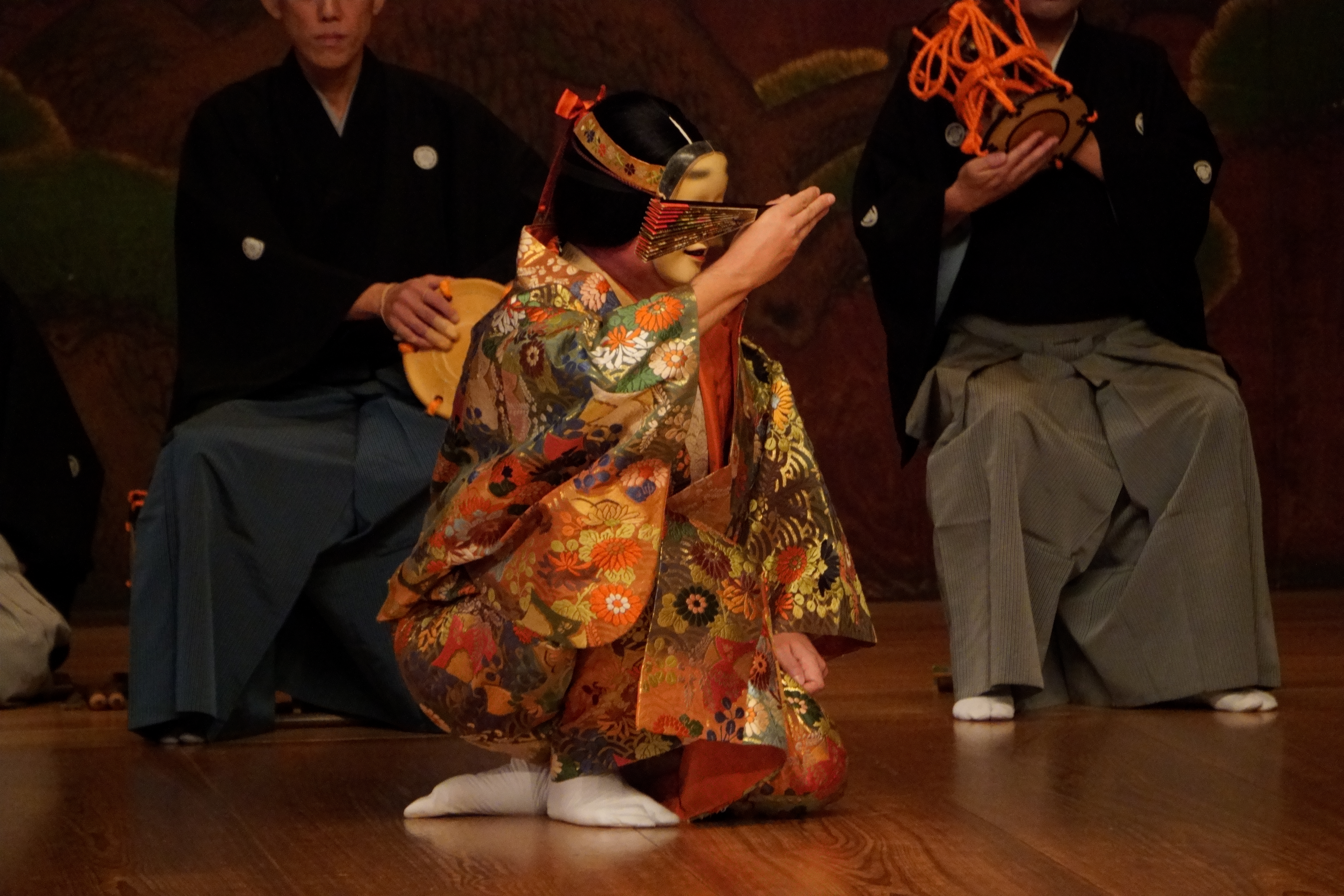
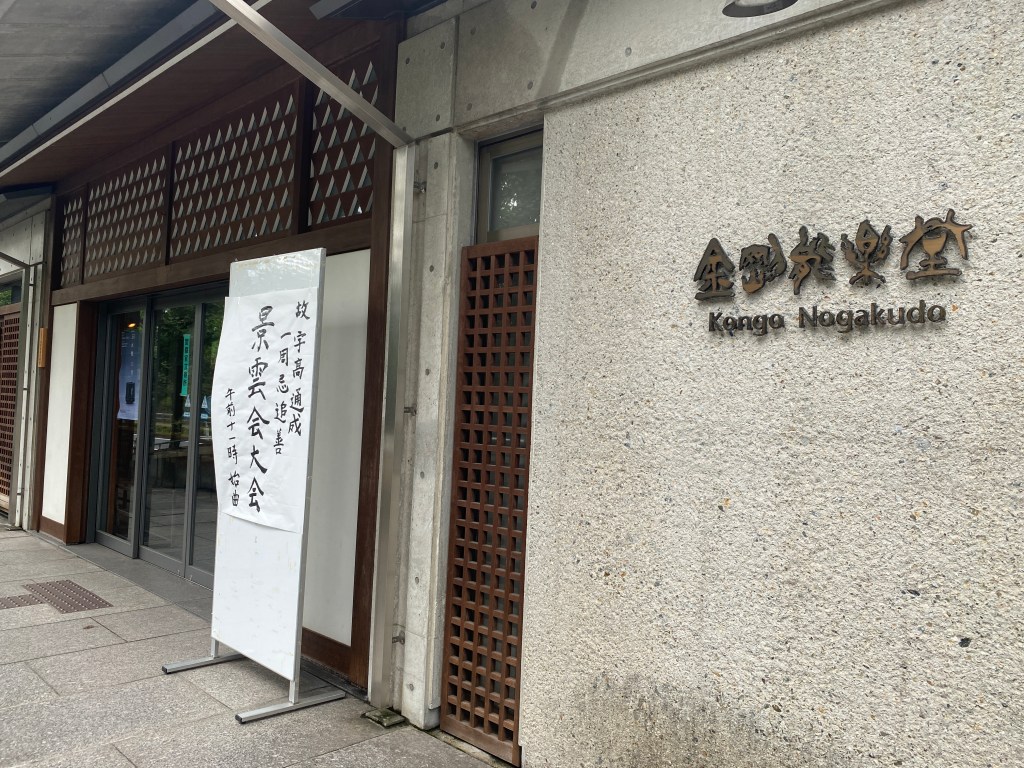
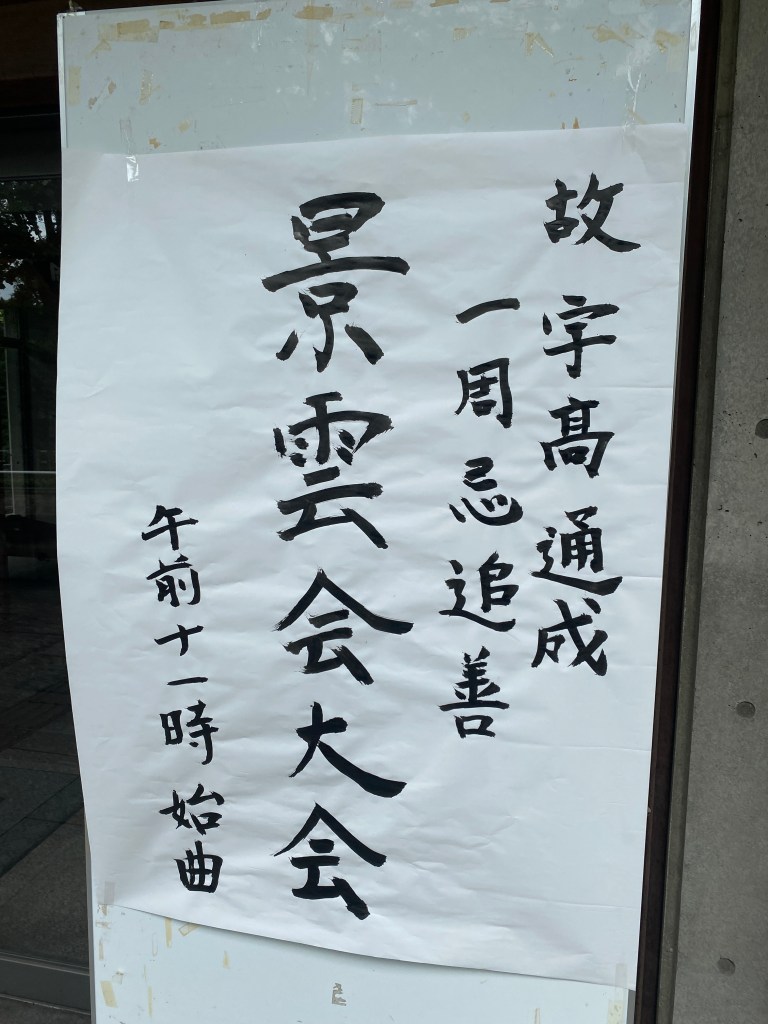
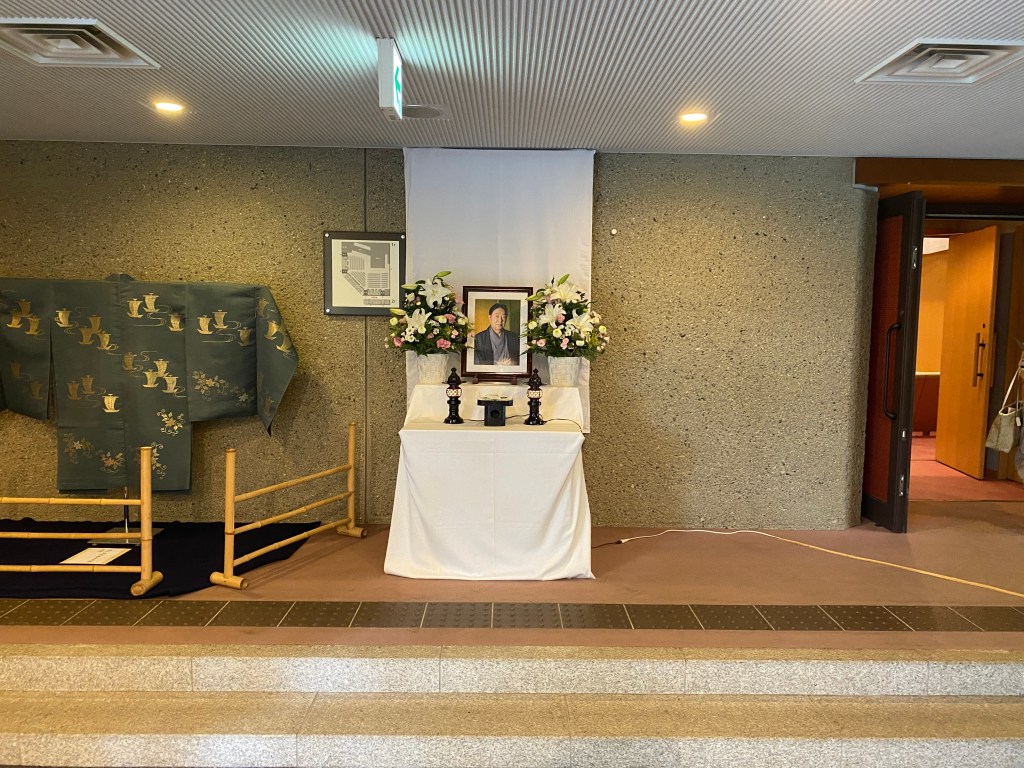
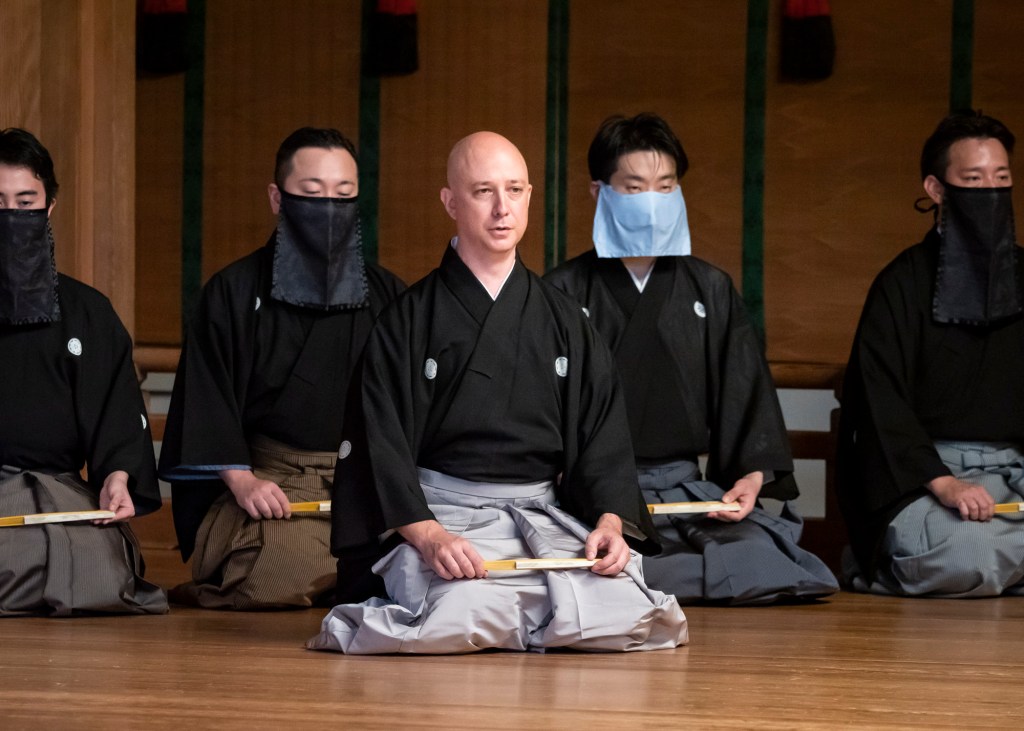
Here are a few photos from theexcerpt from the nō play Kantan that I performed on August 22 2021 at the Kongo Noh Theatre in Kyoto on the occasion of the 2021 Keiunkai Taikai, dedicated to the memory of Udaka Michishige.
Professional nō photographers Uesugi Haruka and Miki Eri took the photos of the performance.
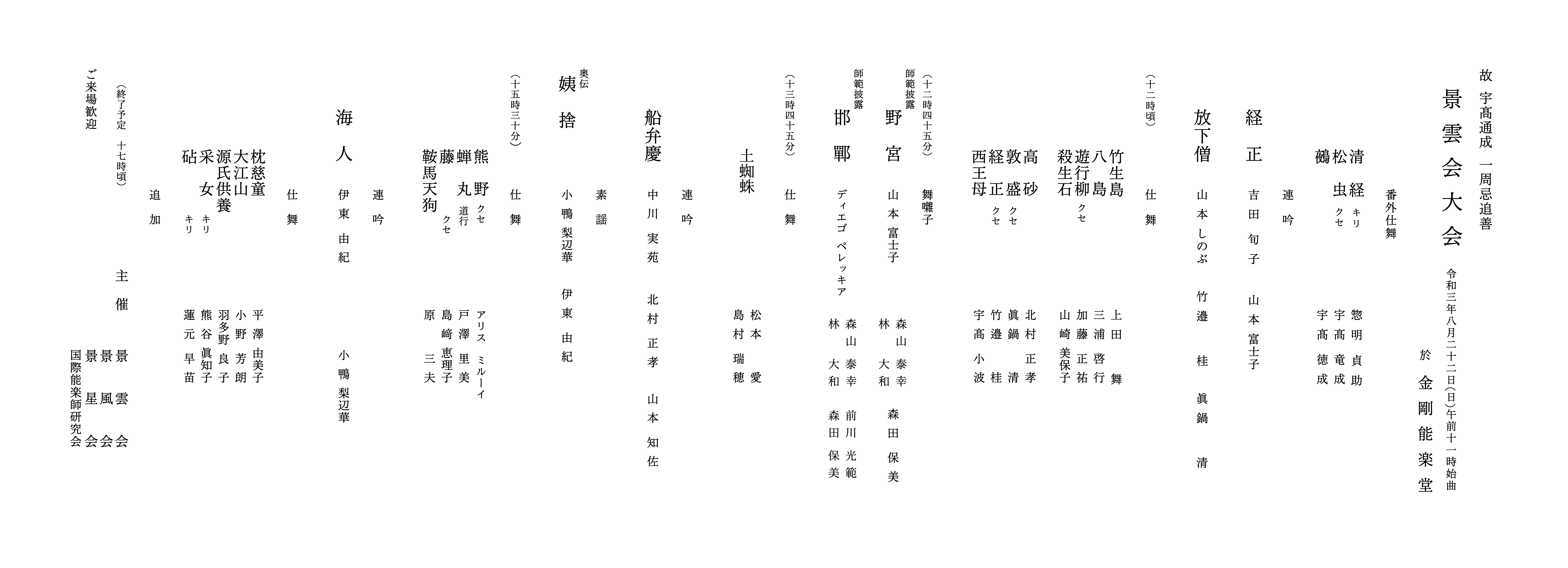
I’m happy to announce that, on August 22 (Sun) 2021 I will perform the maibayashi excerpt from the nō play “Kantan” on the occasion of the first Udaka Michishige Memorial Performance event at the Kongō Nō Theatre in Kyoto.
This will be my first performance as “shihan” (licensed instructor) of the Kongō School. Michishige-sensei took care of my shihan license application in 2020, from his hospital bed. Though the illness weakened him, he took care of his students until the very last moment. This day will be an important chance for us to express our gratitude to Michishige-sensei, whose work showed us a way we see nō not only as art, but as a way to see life. I hope you will join us on this special day! The event begins at 11:00 with various dance excerpts. I will perform at around 12:45.
Sono felice di annunciare che, Domenica 22 Agosto 2021 parteciperò alla prima performance in memoria del Maestro Udaka Michishige con un maibayashi estratto dal dramma nō “Kantan” presso il Teatro Nō Kongō, a Kyoto.
Questa sara’ la mia prima performance in qualità di “shihan” (istruttore certificato) della scuola Kongō. Il Maestro Michishige si prese cura della mia domanda di certificazione nell’inverno del 2020, dal suo letto di ospedale. Nonostante la malattia lo avesse indebolito, il Maestro si prese cura dei suoi studenti fino all’ultimo momento. Questo giorno sarà un’opportunità per esprimere nuovamente la nostra gratitudine al Maestro Michishige, il cui lavoro ci ha mostrato un modo di vedere il nō non solo come arte, ma anche come vita.
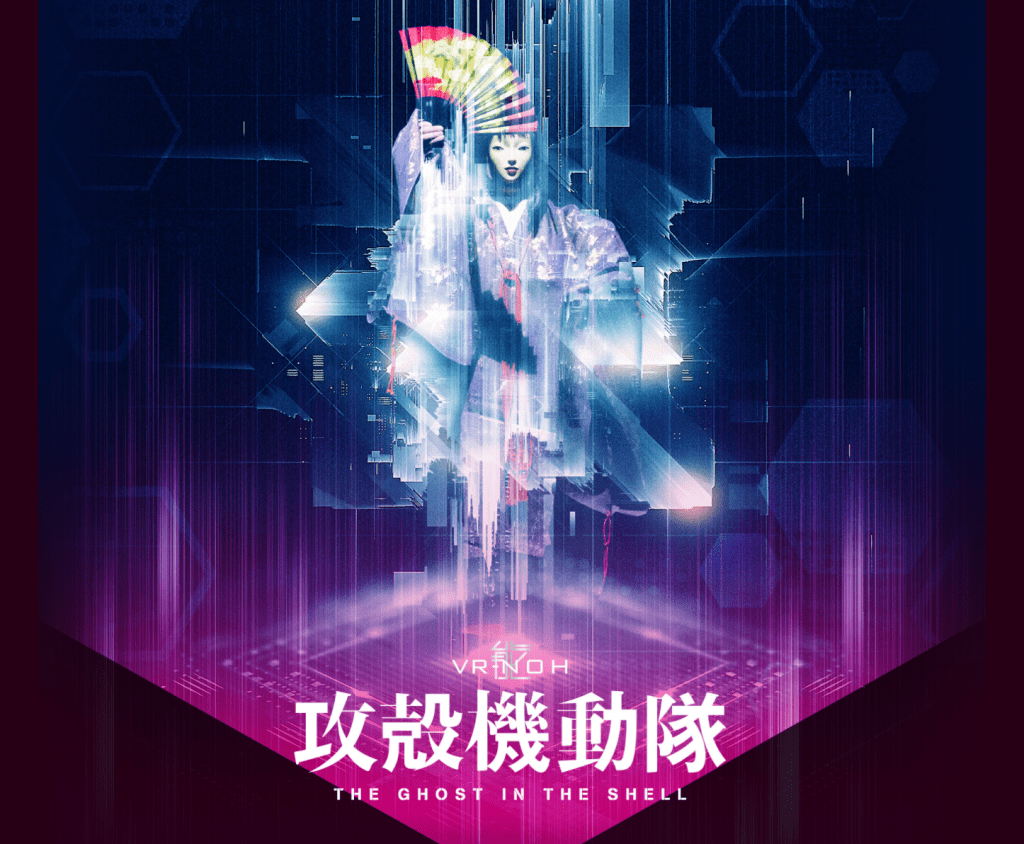
Performances of the “Vr noh” Ghost in the Shell (攻殻機動隊) will be held at Tokyo’s Setagaya Public Theatre on August 22 and 23, featuring young shite actors from the Kanze School, Sakaguchi Takanobu and Kawaguchi Kōhei. More info and tickets here (Japanese only – all performances seem to be already sold out, perhaps due to with-coronavirus restricted seating)
After various animation films, the 2017 Hollywood feature film (sparking controversy because of the almost-all Western casting), and a recent all-digital sequel on Netflix, Shirow’s manga is recast in nō form.
As I kid I used to collect Masamune Shirow’s manga. Appleseed, my favorite, has been one of the first available in Italy back in the early 90s, followed by Black Magic, Dominion, and Orion. His works, mixing cyberpunk with fantasy and Japanese spirituality, were extremely popular outside Japan (I think he was published by Dark Horse in the US).
Ghost in the Shell blew us readers away because of the amazing color rendition of some of its pages. How is it going to look like in “vr nō” style? I imagine the plot will play with the idea of the “ghost” or “soul” transmigrating from body to body, or from body to another material vessel, something familiar to the nō repertory, rooted in buddhist thought. From the poster we can see the female protagonist, apparently dancing wearing a purple chōken, typically used the the depiction of female spirits.
As I pointed out at the beginning of the article, all tickets are already sold out, so we can only hope for future re-runs, or for a video!
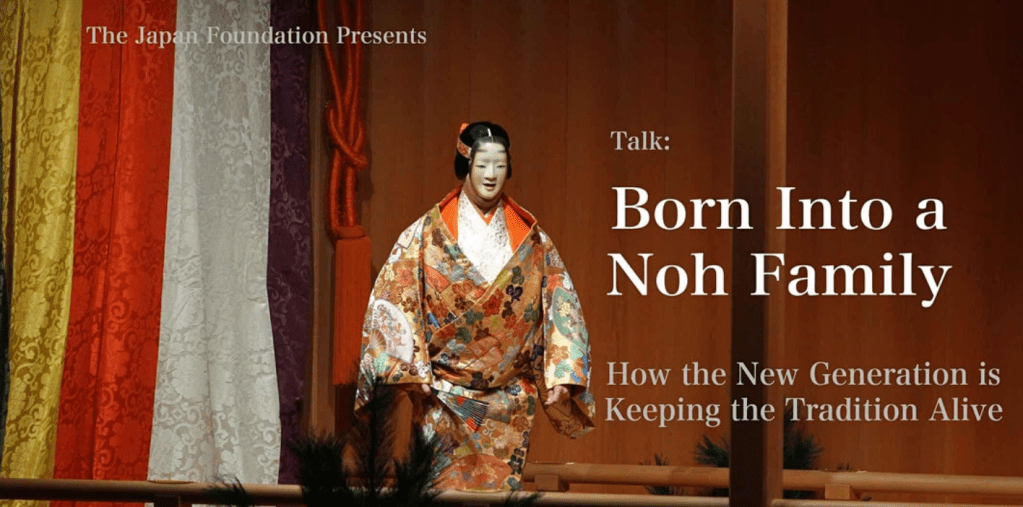
The Japan Foundation London has organized Born Into A Noh Family: How the New Generation is Keeping the Tradition, an event featuring Takeda Takafumi (Kanze school shite actor), hosted by Dr. Ashley Thorpe (Royal Holloway University of London). The event is free of charge and will be hold on Zoom 2 July 2020 from 12.00pm (BST).
In the event, “Takeda will reveal the daily practices he has followed since childhood, his views on the pursuit of keeping the tradition alive, as well as how he and his family adapt to the changes and challenges of the present day.”
Recently, many nō performers have been using Zoom and other similar softwares to show bits of performances, to teach their amateur students, but also to “meet” online and share their experiences during this difficult time. I look forward to hearing how the discussion will unfold between Japan and the UK, countries that are experiencing very different levels of crisis related to the novel coronavirus.
[6/8 UPDATE] Ticket information and schedule has been updated.
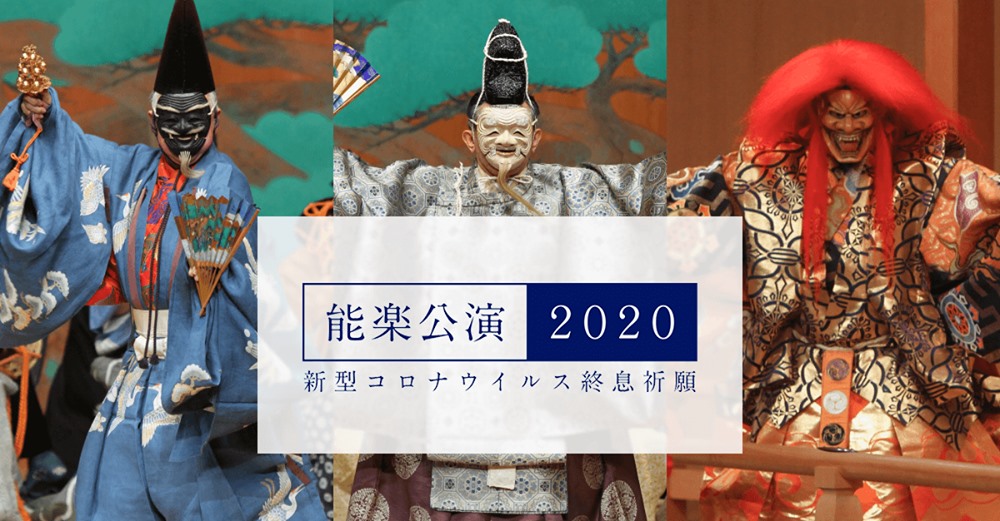
The “Nogaku Festival”, planned in celebration of the 2020 Tokyo Olympics, has been re-branded as “Noh Performances 2020 – A Prayer for the Eradication of the Novel Coronavirus”(能楽公演 2020 新型コロナウイルス終息祈願).
According to the official website, the performances will be held with various limitations, including allowing only a restricted number of spectators. Ticket information will be published later, but I suspect it will be necessary to book well in advance, especially because the content of the program has not changed. All events feature superstar actors performing very popular plays such as Ataka, Aoinoue, or Dōjōji.
In the last few days many public gatherings and events in Japan have been cancelled. Performing arts will suffer greatly from this situation – what to do when you cannot go to the theatre? Kyōgen unit Soja (Shigeyama family) has announced the live broadcast “Let’s meet on YouTube!” March 1st at 14:00 (Japan time). I look forward to seeing how this is going to work out!
The program for the Nogaku festival, a series of performances organized by the Nohgaku Performers’ Association to be held during the 2020 Tokyo Olympic and Paralympic Games, has been announced (Japanese only – for now). The performances are part of the larger Tokyo 2020 Nippon Festival, starting in April and ending in September.
The program features full nō and kyōgen performances but also recital versions of plays, allowing the audience to enjoy a wide variety of characters but also of performers. Looking at the list of performances, I am glad to notice that, in addition to the “usual suspects” – leading performers from the various nō and kyōgen schools which were announced back in August 2019 – female performers will also join the roster of superstar actors. They are Uzawa Hisa, Saeki Kikuko (Kanze school), and Kashiwayama Satoko (Hōshō school).
Three performances in a program of about forty plays (including kyōgen) may seem like a relatively small number, but considering the very little exposure female actors get I would accept it as an effort of the Nohgaku Performers’ Association to represent the spirit of inclusivity on which the Olympic and Paralympic Games are based. Let’s hope to see some female performers among the musicians, too!
The Discover Noh in Kyoto series has come to its 6th and last episode. This time we have organized an exciting event which combines the visit to shrines and temples to noh performance. For those of you who participated in the previous episodes of our series this will appear like a novelty. Instead of having actors explain various aspects of noh (costumes, masks, etc.) we have decided to focus this forthcoming event on performance. Don’t miss it!











 The Noh Diaries